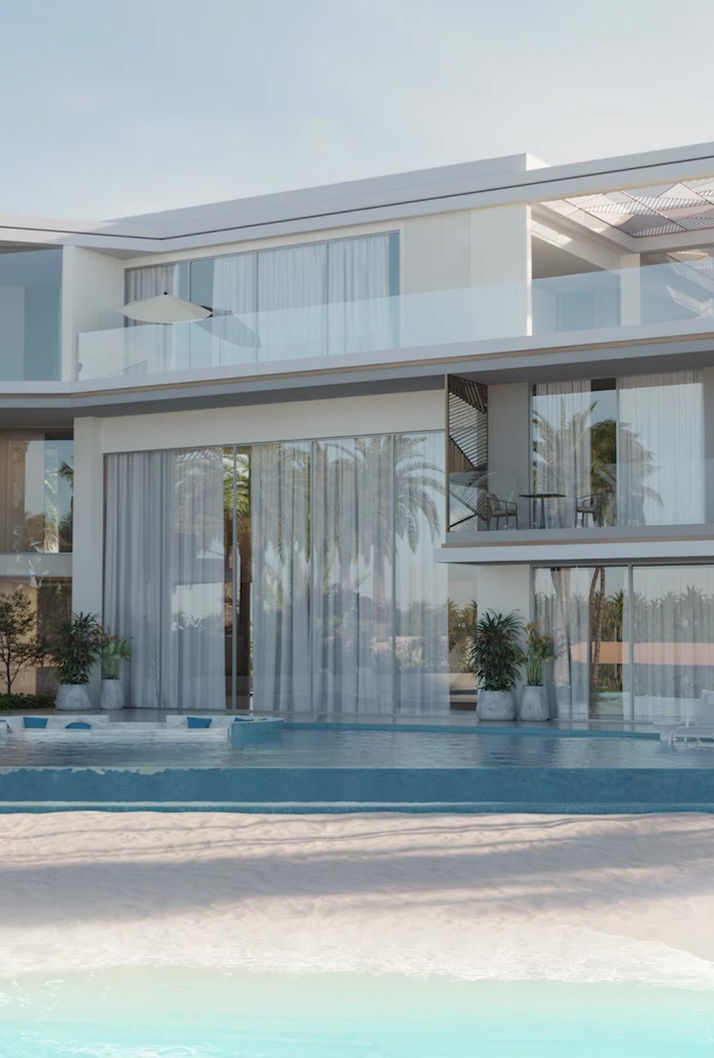
Modern architectural visuals give designers, developers, and clients a clear view of a project before construction begins. Advanced software, powerful computers, and realistic rendering engines help artists present spaces with impressive detail and accuracy. These tools support everything from basic models to highly detailed presentations.
For professional results, an architectural 3D visualization company uses several technologies to produce polished images that match the design vision. These include:
3d modeling software
3D modeling software forms the foundation of architectural visualization. Artists use these programs to build walls, floors, furniture, windows, doors, and exterior structures. Precise modeling tools allow designers to set dimensions and refine small details. Popular programs support complex structures and give artists greater control over the final model.
Real-time rendering engines
Real-time rendering engines give designers instant visual feedback. Artists can adjust materials, lighting, camera positions, and objects while viewing changes almost immediately. This speeds up revisions and makes client presentations easier. Real-time tools also support interactive walkthroughs, allowing viewers to explore virtual spaces from different angles.
Ray tracing technology
Ray tracing helps rendering software produce realistic light behavior. The technology calculates how light travels, reflects, and interacts with surfaces. This produces natural shadows, reflections, highlights, and soft lighting effects. Architectural artists use ray tracing to give rooms and outdoor scenes a realistic appearance that matches real-world conditions.
Artificial intelligence tools
AI tools now support several parts of architectural visualization. They help artists generate concepts, improve image quality, suggest materials, and speed up repetitive tasks. Some tools also assist with image correction and scene preparation. Artists still guide the creative process, while AI handles selected technical tasks with impressive speed.
Photogrammetry and 3d scanning
Photogrammetry and 3D scanning help artists capture real objects, buildings, and spaces as digital models. Cameras or scanning devices collect detailed visual information, which software converts into usable 3D data. This technology works well for renovation projects, heritage buildings, and interior scenes that require accurate existing conditions.
Virtual reality and augmented reality
VR and AR give clients an immersive view of architectural projects. Virtual reality places viewers inside a digital space, while augmented reality adds digital elements to a real environment. These technologies help clients inspect room layouts, finishes, furniture placement, and building concepts before construction starts.



More Stories
How Sticker Printing Handles Waterproof And Outdoor Use
Signs Your Gutters Need Cleaning
Tips To Adjust To Speaking With Lingual Dental Braces