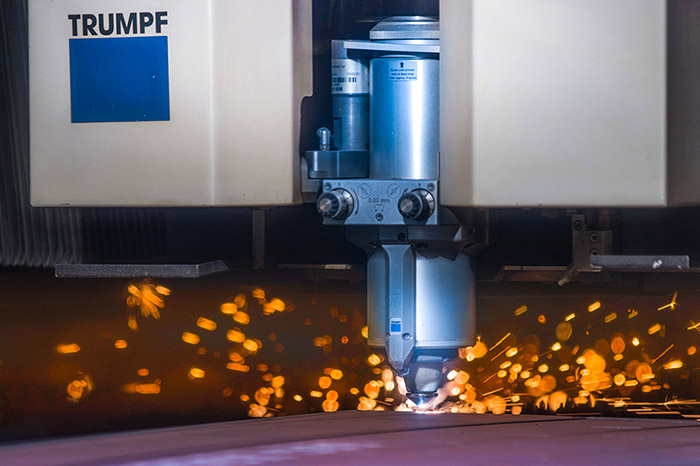
Copper and brass challenge laser systems with high reflectivity, thermal conductivity, and demanding cutting conditions. Modern fiber lasers use optimized wavelengths, focused beams, and precise power control to cut these metals more reliably.
Advanced sensors and automated settings help operators maintain clean edges, consistent kerfs, and reliable output across demanding production work for every laser cutting service.
Understanding reflective metal challenges
Copper and brass reflect a significant portion of incoming laser energy, especially at certain wavelengths. This reflection reduces the energy reaching the cutting zone and may affect process stability. Copper also transfers heat rapidly, which spreads thermal energy beyond the focused area. Brass presents its own concerns because its composition may include zinc, which reacts differently under intense laser heat. Modern systems address these conditions through refined beam control, suitable optics, and carefully selected operating parameters.
How fiber lasers improve cutting control
Modern fiber lasers offer high beam quality and concentrated energy, making them well suited for reflective metals. Operators adjust power, focal position, cutting speed, and assist-gas pressure based on material thickness and composition. Shorter wavelengths also improve energy absorption in copper compared with older laser technologies. This gives production teams greater control over heat input while supporting precise cuts and consistent edge quality across repeated components.
Managing heat during copper cutting
Copper transfers heat quickly, so excess energy can cause rough edges, distortion, or inconsistent penetration. Laser operators balance beam intensity with cutting speed to keep the thermal zone controlled. High pressure assist gas also clears molten material from the kerf and supports cleaner results.
Achieving clean brass cuts
Brass responds well to modern laser technology when operators match settings to its alloy composition and thickness. Precise focal positioning helps concentrate energy at the cutting point, while suitable gas selection supports efficient material removal. Operators also monitor zinc content because excessive heat may produce unwanted fumes and affect cut quality. Modern equipment combines software controls, sensors, and optimized parameters to produce accurate profiles with smooth edges.
Why modern laser systems suit reflective metals
Advanced laser technology gives manufacturers practical control over materials that once presented significant processing challenges. Automated parameter management, real-time monitoring, improved optics, and high-quality fiber sources support reliable copper and brass cutting. These features also reduce setup variation and improve repeatability across production runs. With the right machine settings and material knowledge, laser cutting delivers precise shapes, efficient processing, and dependable results for demanding metal fabrication applications.


More Stories
Why Waterfront Property Projects Command Premiums
Why Turnkey Services From An Office Fit Out Company Are Important
The Role Of A Property Dispute Lawyer In Partition Suits