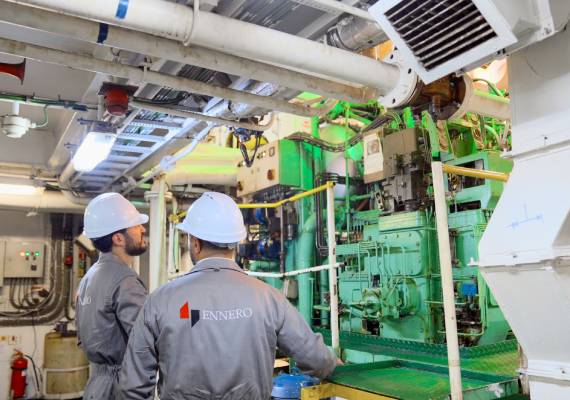
The oil and gas industry faces growing pressure to reduce pollution, conserve resources, and adopt cleaner operations. Refineries, storage terminals, and distribution networks all contribute to environmental concerns that demand practical solutions.
As regulations tighten and public expectations rise, companies across downstream oil and gas operations explore smarter technologies, cleaner fuels, and responsible practices to reduce their environmental impact.
Reducing emissions across operations
Refineries release greenhouse gases and other pollutants during fuel processing, heating, and power generation. Companies address these challenges by upgrading equipment, improving energy efficiency, and installing advanced emission control systems.
Regular maintenance helps prevent gas leaks, while real-time monitoring identifies unusual emissions before they become serious problems. These measures support cleaner production and help businesses meet environmental standards without compromising operational performance.
Improving energy efficiency
Energy consumption remains a major concern across refining and fuel distribution activities. Modern heat recovery systems capture excess heat and reuse it in other processes, reducing fuel consumption.
Digital monitoring tools help engineers identify inefficient machinery and adjust operating conditions. Efficient boilers, improved insulation, and upgraded motors also reduce energy waste. By investing in these improvements, companies lower operating expenses while reducing their carbon footprint.
Managing water and industrial waste
Refineries use substantial amounts of water during cooling, cleaning, and processing. Poor wastewater management threatens rivers, groundwater, and nearby ecosystems. Companies address these risks through advanced treatment plants, water recycling systems, and regular quality testing.
Responsible waste handling also prevents harmful chemicals, sludge, and contaminated materials from entering the environment. Clear disposal procedures and employee training help maintain safe working conditions and protect surrounding communities.
Adopting cleaner fuels and technologies
Fuel producers respond to environmental demands by improving product quality and developing lower emission alternatives. Cleaner fuels with reduced sulphur content help limit certain air pollutants during combustion. Some companies also explore renewable feedstocks, low carbon hydrogen, carbon capture systems, and electrified equipment.
Although these technologies involve investment and technical challenges, they offer practical options to reduce emissions and prepare facilities for changing environmental expectations.
Meeting regulations and public expectations
Environmental regulations influence investment decisions, operating procedures, and reporting practices across the industry. Companies track emissions, document waste management activities, and conduct environmental audits to identify areas requiring improvement.
Transparent reporting also helps customers, regulators, and nearby communities assess corporate performance. Businesses that take these responsibilities seriously strengthen public confidence and reduce the risk of penalties, operational interruptions, and reputational damage.



More Stories
Essential Security Features To Look For In A Storage Unit Facility
Why Practice Sessions Matter In A Train The Trainer Course
The Top Mistakes People Make When Drafting Agreements Without A Contract Lawyer