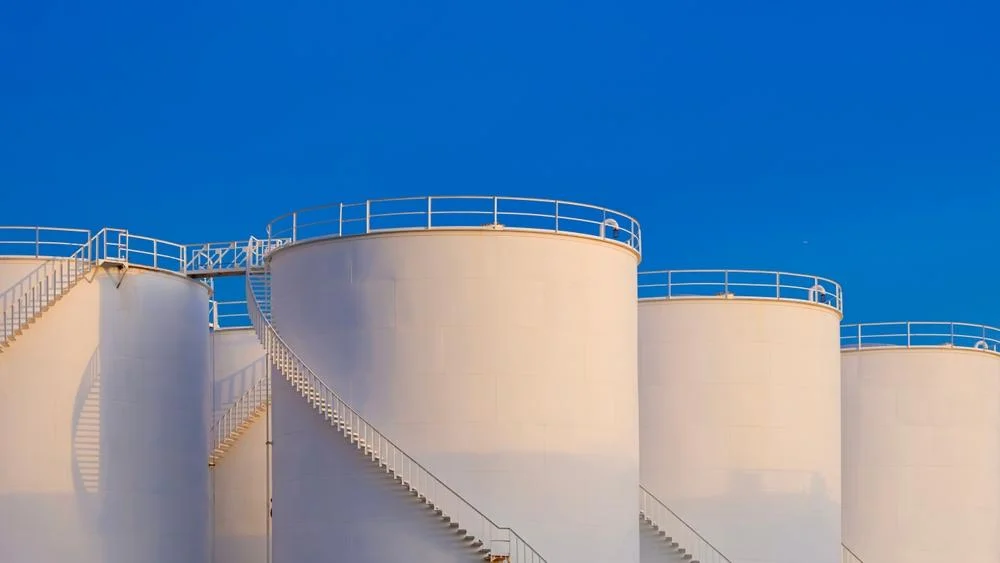
Industrial tanks support storage operations across manufacturing, chemical processing, agriculture, and energy facilities. Their condition directly affects safety, efficiency, and operating costs. Regular upkeep helps identify minor faults before they become costly failures.
A structured maintenance routine also protects tank surfaces, fittings, and internal components. These practical measures help industrial facilities gain longer service life from steel tanks.
Inspect tanks at regular intervals
Routine inspections give maintenance teams a clear view of tank condition. Technicians check walls, seams, roofs, supports, valves, vents, and connections for corrosion, cracks, dents, or unusual wear. Visual inspections should follow a consistent schedule, while detailed checks can use ultrasonic thickness testing or other suitable inspection methods. Recording findings after every inspection helps teams compare changes over time and address developing faults early.
Control corrosion before it spreads
Corrosion presents one of the biggest threats to steel tank durability. Moisture, chemicals, temperature changes, and contaminants can accelerate surface deterioration. Maintenance teams remove rust, clean affected areas, and apply suitable protective coatings according to the tank’s operating environment. Internal coatings also provide added protection when stored materials create corrosive conditions. Prompt treatment limits metal loss and supports reliable tank performance.
Keep tanks clean and dry
Residue and moisture can accelerate corrosion and affect stored materials. Regular cleaning removes deposits, sludge, scale, and contaminants from tank surfaces and internal areas. Teams also inspect drainage points and remove trapped moisture from vulnerable sections. Cleaning schedules should match the stored material and operating conditions. A clean tank supports better inspections while reducing conditions that contribute to premature deterioration.
Check fittings and safety components
Valves, gauges, vents, manways, seals, ladders, and other fittings require regular checks. Loose connections, damaged seals, blocked vents, or faulty gauges can affect safe operation and tank performance. Technicians inspect these components for wear and test them according to manufacturer guidance and site procedures. Replacing worn parts promptly helps prevent leaks, pressure problems, and operational interruptions.
Maintain protective coatings
Protective coatings provide an important barrier between steel surfaces and damaging environmental conditions. Maintenance teams inspect coatings for peeling, blistering, cracking, or exposed metal. They prepare damaged surfaces correctly before applying compatible repair coatings. Choosing products suited to temperature, chemicals, moisture, and outdoor exposure helps coatings perform effectively and supports longer tank service.



More Stories
How Weather Damages Your Facade Without Regular Cleaning
How Verbal Reasoning Tutors Improve Vocabulary And Comprehension
5 Ways A Hotel Art Consultant Supports Brand Identity